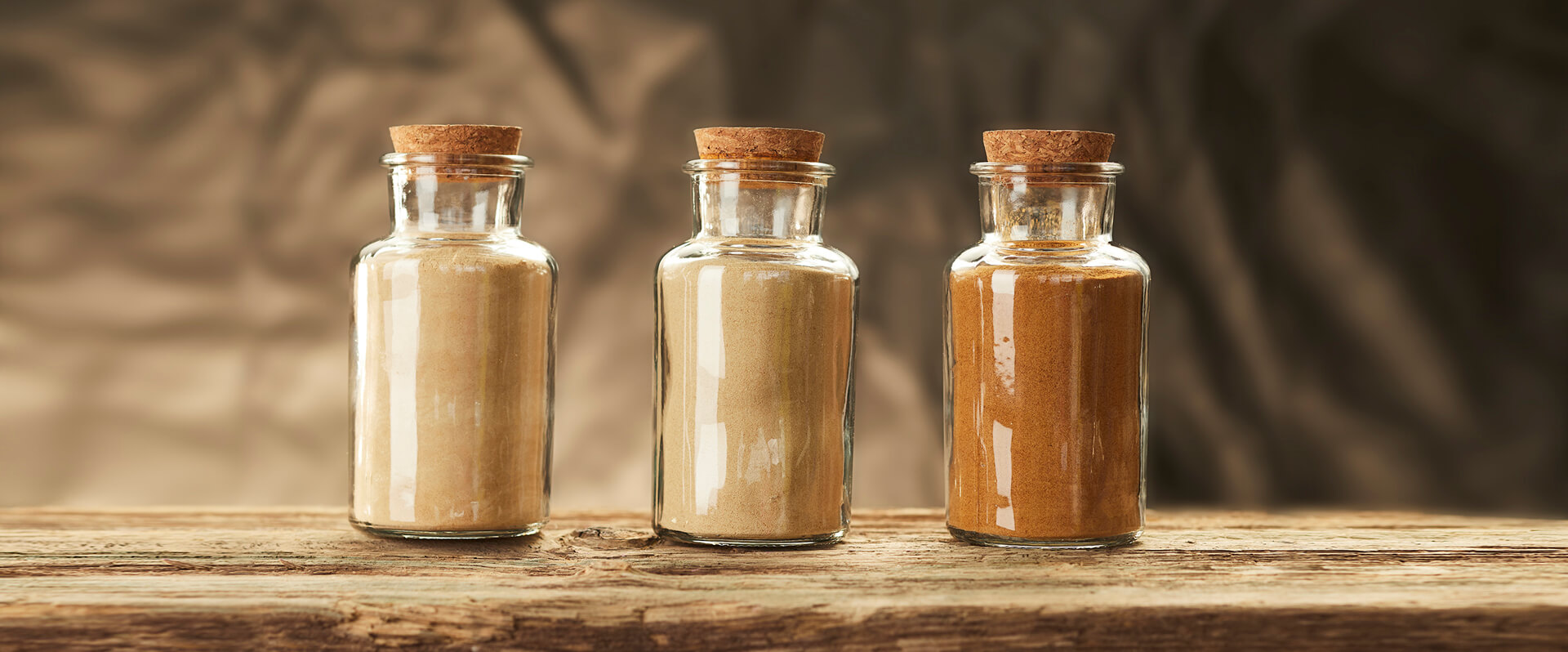
Yeast extract, yeast powder and yeast flakes all begin with yeast, but they are not simply different physical forms of the same ingredient.
Each is produced differently and can contribute a different combination of flavour, nutritional substance, texture and formulation functionality.
For food manufacturers and product developers, understanding these distinctions is important. Selecting the wrong yeast ingredient can produce a very different sensory or technical result from the one intended.
The differences at a glance
| Ingredient | Primary role | Typical format | Common applications |
|---|---|---|---|
| Yeast extract | Concentrated savoury and umami flavour development | Soluble powder or paste | Soups, sauces, stocks, seasonings, spreads and prepared foods |
| Yeast powder | Flavour, nutritional substance and application-specific functionality | Fine inactive powder | Dry blends, plant-based foods, bakery formulations and fermentation processes |
| Yeast flakes | Savoury flavour, nutritional value and recognisable flake character | Dry flakes | Nutritional products, vegan foods, cheese alternatives, spreads and retail products |
The appropriate choice depends on what the ingredient needs to achieve in the finished product.
What is yeast extract?
Yeast extract is produced from the soluble components found inside yeast cells.
During production, the components within the yeast are released and the insoluble cell walls are removed. The resulting extract contains naturally occurring amino acids, peptides, carbohydrates, vitamins and minerals from the yeast.
The amino acids and peptides contribute a rounded savoury and umami flavour. This makes yeast extract particularly useful in applications where a manufacturer wants to build flavour depth or bring different parts of a recipe together.
Typical applications include:
- Soups, stocks and bouillons
- Sauces and gravies
- Seasoning blends
- Ready meals
- Savoury spreads
- Plant-based meat products
- Vegan cheese alternatives
- Snack coatings
Yeast extract is water-soluble and may be supplied as a powder or paste. The most suitable format depends on the manufacturing process, handling requirements and intended flavour profile.
Because of its pronounced savoury contribution, yeast extract is commonly evaluated in flavour-rebalancing and salt-reduction projects. However, it is not a salt-free ingredient, and the achievable sodium reduction depends on the complete recipe, the selected extract and sensory testing of the finished product.
What is yeast powder?
Yeast powder is an inactive, dried yeast ingredient milled into a fine powder.
Unlike yeast extract, it retains the dried yeast material rather than consisting only of the soluble components released from the cell. It generally provides a broader cereal-like, bready or savoury sensory profile rather than the more concentrated flavour associated with yeast extract.
Yeast powder can contribute flavour and nutritional substance while also serving specific technical functions in selected applications.
Depending on the product, applications may include:
- Savoury formulations and dry blends
- Plant-based foods
- Vegan cheese alternatives and spreads
- Bakery formulations
- Wine-making and other fermentation processes
- Selected animal-food or feed formulations
Agrano’s Bioreal® yeast-powder range includes products with different sensory characteristics. Its organic yeast powder has a cereal-like profile and may be used in vegan foods, baking and wine-making. Agrano also produces a molasses yeast powder with a more neutral flavour that may develop a light cheese-like note when warmed.
Not every international Agrano product is necessarily held in Australia. Manufacturers should confirm current availability and the technical specification of the required variant with MH Bioreal Organics.
What are yeast flakes?
Yeast flakes are inactive yeast presented in a light, visible flake format.
They are often chosen where the ingredient is expected to provide savoury flavour and nutritional value while retaining the recognisable identity and texture associated with nutritional yeast.
Depending on the formulation, yeast flakes may be used in:
- Plant-based cheese alternatives
- Savoury sauces and spreads
- Pesto and dips
- Soup and meal formulations
- Seasonings and toppings
- Nutritional food products
- Private-label nutritional yeast products
Agrano manufactures several organic yeast-flake varieties with different formulations and sensory profiles. These include nutritional, savoury and flour-containing variants, so the specification of the individual product remains important.
Bioreal® Organic Vitamin B12 Yeast Flakes are a specialised product in which B12 is developed through Agrano’s production and fermentation process rather than being conventionally added to the finished flakes.
Why they are not interchangeable
Although all three ingredients are derived from yeast, replacing one with another may alter:
- Flavour intensity
- Umami character
- Colour
- Texture
- Solubility
- Mouthfeel
- Nutritional composition
- Ingredient declaration
- Processing behaviour
For example, yeast extract may provide concentrated savoury depth at a relatively low inclusion rate. A yeast powder may provide a broader flavour and more whole-yeast character. Yeast flakes may be preferable where the ingredient’s visible form or nutritional-yeast identity is part of the product proposition.
The decision should begin with the required function, not simply the word “yeast” in the ingredient name.
Questions to ask during product selection
Before choosing between yeast extract, powder or flakes, manufacturers should consider:
What is the primary objective?
Is the ingredient intended to intensify savoury flavour, contribute nutritional substance, provide flake character or perform a technical function?
How intense should the flavour be?
A concentrated yeast extract may behave very differently from a whole yeast powder or flake at the same inclusion rate.
Does the ingredient need to dissolve?
A soluble yeast extract may suit soups, sauces and liquid products. Powders and flakes can behave differently depending on particle size and processing.
What format suits the production line?
Powder, paste and flake formats create different weighing, storage, dosing and handling requirements.
Is certified organic status required?
The ingredient and finished formulation must meet the requirements of the relevant organic certification program.
What claims will be made?
Nutritional, allergen, gluten-free and other claims should be assessed against the exact ingredient specification and the finished product’s intended market.
Choosing the right Bioreal® ingredient
There is no universally “best” yeast ingredient. The correct choice depends on the formulation.
Choose organic yeast extract where concentrated savoury and umami flavour is the main requirement.
Choose organic yeast powder where a fine inactive powder with broader yeast character, nutritional substance or application-specific functionality is required.
Choose organic yeast flakes where savoury flavour, nutritional value and recognisable flake form are important to the finished product.
MH Bioreal Organics supplies Bioreal® organic yeast ingredients manufactured by Agrano in Germany. Current specifications, certifications, formats and technical documentation are available to verified commercial customers on request.
Evaluating organic yeast ingredients?
Discuss the intended flavour, processing method and finished-product objectives with the MH Bioreal team. Request specifications or discuss your application.
Sample availability varies. Where stock is not held locally, samples may need to be ordered from Germany and can take several weeks to arrive.